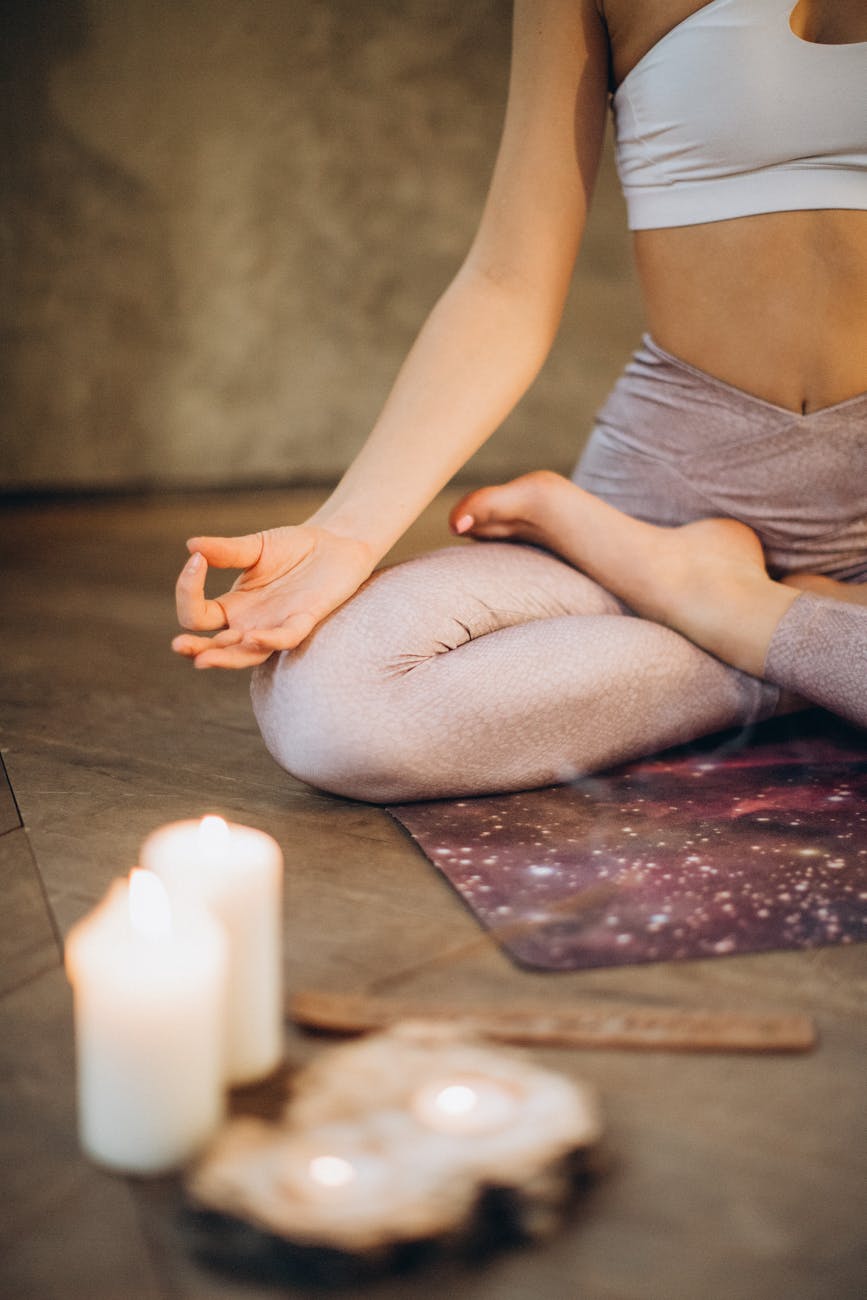
YOGA FOR SELF-CARE & SELF-LOVE: CULTIVATING BALANCE, LOVE AND REGULATION.
In today’s fast-paced world, self-care has become a buzzword, essential for maintaining mental and physical well-being. One powerful practice that embodies self-care is yoga. This ancient discipline offers a holistic approach to health, blending physical postures, breath control, and meditation. In this blog post, we’ll explore the concept of self-care, differentiate it from self-love, and delve into the numerous benefits of yoga for self-care and self-love.
Understanding Self-Care vs. Self-Love


Self-care involves activities and practices that we engage in regularly to reduce stress and enhance our well-being. It includes anything from taking a relaxing bath, getting enough sleep, eating nutritious food, to practicing yoga. The essence of self-care is to nurture and maintain one’s health.
Self-love, on the other hand, goes deeper. It’s an attitude of appreciation and compassion towards oneself, regardless of circumstances. Self-love is about accepting your imperfections, celebrating your strengths, and understanding that you deserve kindness and respect. It’s the foundation upon which self-care practices are built.
While self-care is about the actions you take, self-love is about the mindset you cultivate. Engaging in self-care practices can foster self-love by encouraging mindfulness, gratitude, and a deeper connection with oneself.
The physical asana of yoga (the poses) is an action that we could regard as self-care. But, the ability to treat yourself positively on the mat, giving yourself grace and continually show up for yourself – that is self-love.
The Benefits of Yoga for Self-Care & Self-Love
Yoga offers a myriad of benefits for self-care, addressing both the body and mind. Here are some key advantages:
Stress Reduction: Yoga lowers cortisol levels, the body’s primary stress hormone. Practices such as deep breathing, meditation, and gentle poses activate the parasympathetic nervous system, promoting relaxation and reducing stress.
Improved Physical Health: Regular yoga practice enhances flexibility, strength, and balance. It also improves cardiovascular health, boosts the immune system, and can alleviate chronic pain conditions.
Emotional Balance: Yoga encourages mindfulness, helping you to stay present and manage your emotions better. This practice can lead to greater emotional stability and a reduction in anxiety and depression symptoms.
Enhanced Self-Awareness: Through mindful movement and meditation, yoga increases your awareness of your thoughts, emotions, and physical sensations. This heightened self-awareness can lead to better self-understanding and acceptance.
Better Sleep: Yoga can improve sleep quality by promoting relaxation and reducing stress. Practices such as Yoga Nidra and restorative yoga are particularly effective for calming the mind and preparing the body for restful sleep.
Boosted Confidence and Self-Esteem: As you progress in your yoga practice, you build strength, flexibility, and balance, which can boost your confidence. Additionally, the practice of mindfulness and self-acceptance inherent in yoga can enhance your self-esteem.
Community and Connection: Joining a yoga class can provide a sense of community and support. Sharing your practice with others can foster a sense of belonging and connection, which is an important aspect of self-care.
Incorporating Yoga into Your Self-Care Routine

To reap the benefits of yoga for self-care, consistency is key. Here are some tips to help you incorporate yoga into your daily routine:
Start Small: Begin with just a few minutes each day. Even five to ten minutes of yoga can make a significant difference in your well-being.
Create a Sacred Space: Designate a quiet, comfortable space for your yoga practice. This can be a corner of your living room, a dedicated room, or even a spot in your garden.
Set an Intention: Before each practice, set an intention for your session. This could be to relax, to find peace, or to cultivate gratitude.
Explore Different Styles: Yoga comes in many styles, from the vigorous Ashtanga and Vinyasa to the calming Yin and Restorative. Explore different types to find what suits your needs best.
Integrate Breathwork and Meditation: Incorporate pranayama (breath control) and meditation into your practice to enhance the mental and emotional benefits of yoga.
Listen to Your Body: Always honor your body’s limits. Yoga is about connecting with yourself, not pushing yourself to the point of discomfort.
Seek Guidance: If you’re new to yoga, consider taking classes with a certified instructor, either in-person or online, to ensure you’re practicing safely and effectively.
Incorporating Self-Love into your yoga practice

Yoga is inherently a practice of self-awareness and self-compassion. It encourages you to listen to your body, honor your limits, and approach yourself with kindness. By focusing on the present moment and connecting with your breath, yoga creates a space where you can cultivate a deeper sense of self-love. Here’s how you can make self-love a core component of your yoga practice:
Set an intention for self-love: Begin each yoga session by setting an intention centered around self-love. This could be as simple as “I will honor my body today” or “I am worthy of love and care.” Setting an intention helps to focus your practice and remind you to approach yourself with compassion throughout your session.
Practice Mindful Movement: Mindful movement is about being fully present in each pose and paying attention to how your body feels. Move slowly and deliberately, and listen to your body’s signals. Avoid pushing yourself into uncomfortable or painful positions. Instead, choose poses that feel nurturing and supportive. This mindful approach helps to build a respectful and loving relationship with your body.
Use Affirmations: Incorporate positive affirmations into your practice. During poses, especially ones where you hold for a few breaths, silently repeat affirmations such as “I am strong,” “I am enough,” or “I am deserving of love.” These affirmations can help reinforce positive self-talk and build a mindset of self-love.
Practice Restorative yoga: Restorative yoga is a gentle, nurturing practice that focuses on relaxation and healing. It involves holding poses for extended periods, supported by props like blankets and bolsters. This style of yoga is perfect for fostering self-love, as it allows you to slow down, rest, and rejuvenate. It’s a reminder to give yourself permission to take things easy and prioritize your well-being.
Reflect on your practice: After your yoga session, take a few moments to reflect. Journaling about your experience can be a powerful way to reinforce self-love. Write about how you felt during your practice, any positive changes you noticed, and how you can continue to cultivate self-love in your daily life.
Don’t compare yourself to others: We all know what it’s like in a yoga class – you might look to someone next to you holding a perfect bird of paradise pose, and wonder why you can’t do it. Avoid comparing yourself to other people and judging yourself negatively. Appreciate what your body can do, and what others can do, without any negative connotations.
Be patient and kind to yourself: Remember, cultivating self-love is a journey, not a destination. Be patient and kind to yourself as you incorporate these practices into your yoga routine. Celebrate your progress, no matter how small, and remind yourself that self-love is an ongoing process.
 Game Changer Yoga